
Are you just starting out on your career as a bookkeeper? If yes, then you most probably need as much help as you can get.
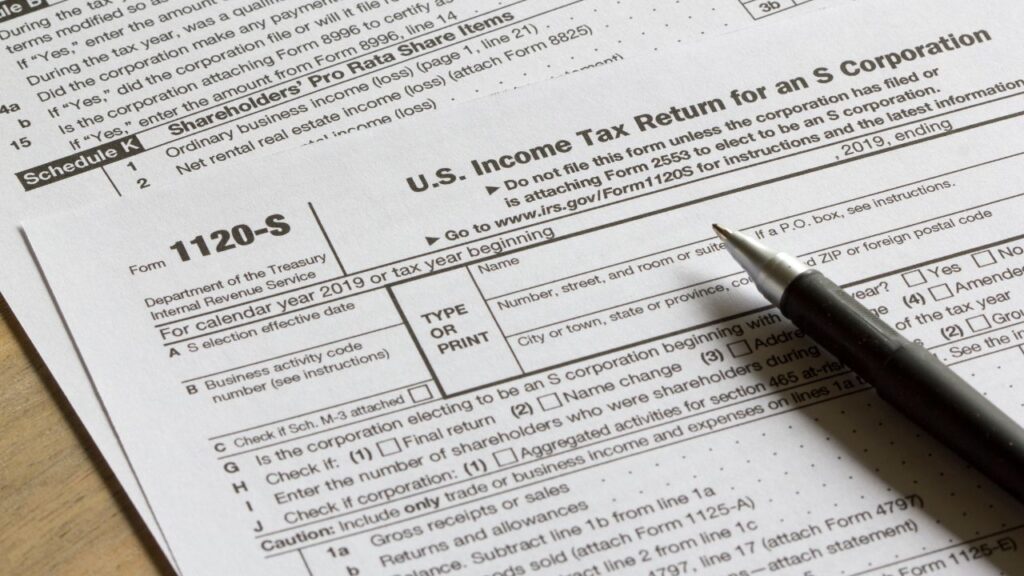
Different types of business entities employ the help of bookkeepers nowadays, S corporations for one. If you are employed as the bookkeeper of an S corporation and are still a bit clueless on what to do, then here’s the right article for you.
What is an S Corporation?
S corporations are special types of corporations that have the capability to elect whether or not to pass their corporate income, loss, credit, or deduction to shareholders for the purpose of federal taxation. If elected, the shareholders will report the income of the corporation in their personal income tax returns. Consequently, it is then the shareholders that are to be taxed and not the business itself. There is, however, an important requirement for such election to happen – all the shareholders must be compensated reasonably. Without this, passing the responsibility for the payment of taxes to the shareholders would be too unfavorable on their part.
For a corporation to qualify under this classification, a few certain requirements must first be met.
Such shareholders may be composed of individuals, trusts, and estates. Non-resident aliens, partnerships, and other corporations on the other hand, are not allowed to be shareholders of S corporations.
How are Accounting Records Kept in an S Corporation?
Accounting records are very important aspects of any business entity, including S corporations. Laws have long been requiring corporations to conduct annual meetings where financial statements based on the accounting records are presented to the board of directors. These financial statements serve as the basis of the management in the determination of the corporation’s current status. It helps shareholders decide on whether or not to change the way the operations are being made in order to have a better corporate performance. This then makes bookkeeping very crucial.
The accounting system for S corporations varies from one corporation to another. Some choose to have a simple system, while others prefer more complex ones. However, the basics of bookkeeping used are the same.